
7 min read
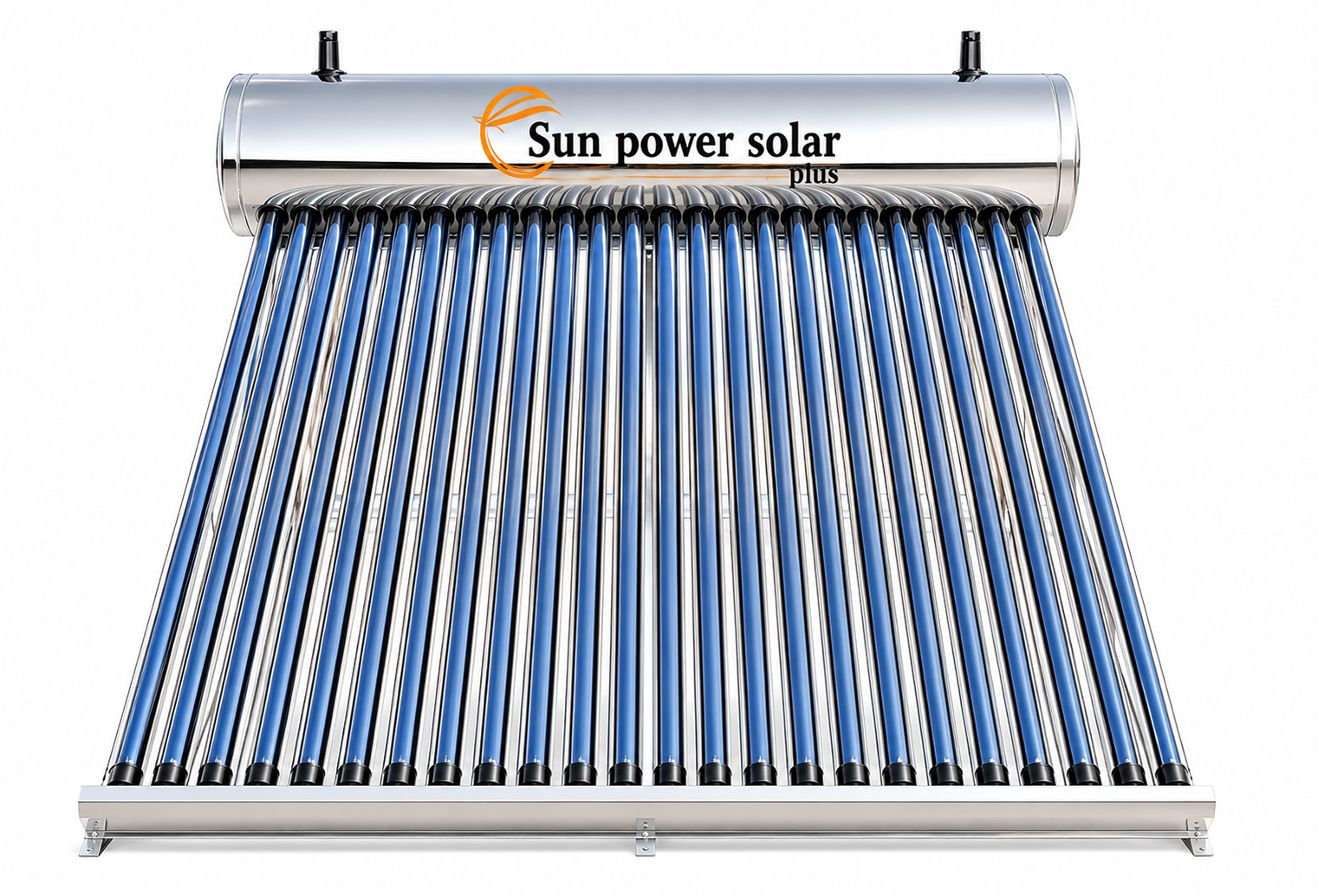
Evacuated-tube solar heaters work in Kathmandu's winter specifically because the vacuum layer around each tube insulates against cold ambient air, unlike flat-plate collectors that lose more heat on cold, clear mornings, which is exactly when Valley winters are coldest. That's why evacuated-tube is the dominant format sold locally rather than the flat panels common in warmer climates.
Payback depends on what you're replacing. Against daily electric geyser use through a five-month winter, a mid-size tank typically pays for itself within a few winters, faster if your household already runs a geyser for multiple bathrooms rather than one.
Rooftop conditions decide whether it's worth installing at all: you need several hours of direct, unobstructed morning-to-midday sun (a neighbouring building's shadow across your tank position defeats the purpose), a roof structure that can carry the tank's weight when full of water, and a mounting angle suited to the Valley's latitude for winter sun.
Backup heating still matters. Even a well-sized system will need an electric backup element for consecutive overcast days, especially during monsoon. The right way to think about it isn't "solar vs electric" but solar as the default with electric as the occasional top-up.
Key takeaways
- Evacuated tubes outperform flat panels specifically in cold Valley winters
- Payback is fastest for households already running a geyser daily, multi-bathroom
- Check for unobstructed morning sun on your actual roof before buying
Have a question specific to your home?
Send us your details and we'll answer in plain language, not a sales pitch.